
Do I Really Need a Pre-Purchase Timber Pest Inspection in Brisbane?
It seems like a logical step when buying a property, but for many home buyers, arranging a pre-purchase pest and building inspection can feel like an unwelcome addition to an already expensive and stressful process. When you are already stretched thin by deposits, stamp duty, and legal fees, spending a few hundred dollars more on an inspection might seem tempting to skip.
But consider this: spending a few hundred dollars now can save you time, heartbreak, and tens of thousands of dollars in hidden repair costs down the road.
Check our interactive questionnaire below to find out if you really need an inspection
The Hidden Risks of Buying a Brisbane Property Without a Timber Pest Inspection
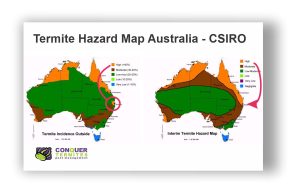
Southeast Queensland is a High-Risk Zone for Termites
Brisbane’s warm, humid climate and lush vegetation make it the perfect breeding ground for timber-destroying pests. In Southeast Queensland, destructive species like Coptotermes acinaciformis actively target residential properties. Termites are notoriously stealthy; they can chew through the internal framing of a home for years without showing a single sign on the outside drywall.
 The Financial Danger of Waiving the “Building and Pest” Clause
In a fast-paced real estate market, buyers are often pressured to waive the building and pest clause to make their offers look more attractive to sellers. Doing this is a massive gamble. If you sign an unconditional contract and later discover structural damage or an active subterranean termite infestation, you inherit the entire financial liability. The cost of rectifying structural timber damage easily runs into tens of thousands of dollars – a cost that could completely wipe out your renovation budget or savings.
5 Crucial Reasons to Book a Pre-Purchase Inspection Before You Sign
1. Uncovering Hidden Termite History and Suburb Risk Factors
Is the property located in a suburb known for heavy termite activity? Is the home backed up against a dense nature reserve or forest? A professional inspection doesn’t just look at the current state of the house; it investigates the history. We look for signs of previous termite treatments, determine if there is an active baiting and monitoring system in place, and figure out when the property is next due for a protective barrier top-up.
2. Identifying Active Moisture and Structural Red Flags
Termites are relentlessly drawn to moisture. A pre-purchase inspection identifies the underlying conditions that attract them, such as leaking taps, poor drainage, pooled water against the foundations, or hidden moisture behind bathroom walls. Catching these building flaws early allows you to address structural risks before they turn into a major pest infestation.
3. Gaining Serious Leverage to Negotiate the Purchase Price
Knowledge is power when negotiating with sellers. If an inspection reveals an active termite issue, historical structural damage, or a compromised chemical barrier, you don’t necessarily have to walk away from your dream home. Instead, you can use the official report and estimated repair costs to renegotiate the purchase price downward or insist that the current owner pays to fix the issues before settlement.
4. Knocking Out Pest Treatments While the Property is Completely Vacant
If the property requires a preventative termite treatment or a general pest spray (for cockroaches, spiders, silverfish, and ants), the absolute best time to do it is before your furniture arrives. When a house is completely vacant, technicians have maximum visibility and access to every nook, cranny, skirting board, and corner, ensuring a far more thorough and effective application.
5. Buying with Total Peace of Mind (and Protecting Your Home Insurance)
Purchasing a home is likely the biggest financial commitment you will ever make. Walking through the front door on moving day knowing exactly what to expect gives you invaluable peace of mind. Furthermore, it protects your asset where your insurer won’t – standard Australian home insurance policies do not cover termite damage.
How Conquer Termites Conducts a Pre-Purchase Check
Going Beyond the Naked Eye with Thermal Imaging and Termatrac Radar
A proper inspection is not just a quick visual walkthrough. At Conquer Termites, our experienced technicians use advanced diagnostic technology to locate hidden threats.
We utilise thermal imaging cameras to detect heat anomalies behind plasterboard, moisture meters to find the damp conditions that termites love, and specialised Termatrac radar devices that can track the movement of live pests inside walls without having to drill holes or damage the property. You receive a comprehensive, detailed report outlining every finding, giving you total transparency.
Frequently Asked Questions About Pre-Purchase Inspections
Who pays for a pre-purchase pest inspection in QLD? The buyer is responsible for choosing the inspector and covering the cost of the pre-purchase building and pest inspection. Because you pay for it, the inspector works exclusively for you and protects your interests, not the seller’s.
How long do you have to get a building and pest inspection done? Most standard REIQ residential contracts specify a timeframe of 7 to 14 days from the date the contract is signed to complete all building and pest inspections. Because this window is brief, it is critical to book your inspection as soon as your offer is accepted.
Does standard home insurance cover termite damage? No. Insurance companies operating in Australia view termite damage as a preventable maintenance issue rather than an accidental event, meaning any structural damage caused by timber pests is entirely out-of-pocket for the homeowner.
Protect Your Investment – Book Your Brisbane Inspection Today
Don’t let the excitement of buying a new home blind you to hidden risks. If you are currently under contract or actively house hunting in Brisbane, let the team at Conquer Termites help you make the right call on your next property.
Contact us today on 1300 417 007 or email us at info@conquertermites.com.au to secure a prompt, thorough, and technologically advanced pre-purchase inspection before your contract deadline hits.
Do you need a termite inspection?
Answer all 10 questions. The result panel will update once every question has been completed.
When was your last professional termite inspection?
Regular inspections are important in Brisbane conditions.
Do you have a current termite management system?
Chemical treatments and barriers need to be current. Check label in meter box.
Have you seen any signs that could suggest termites?
Live termites, mud tubes, damaged timber or flying termites raise urgency.
Are there moisture issues around the home?
Leaking taps, damp subfloors, poor drainage and AC drains can increase risk.
Is there timber, mulch or an old stump near the house?
Garden beds, timber sleepers, stored timber and stumps can support termite activity.
Does your home have concealed or hard-to-check areas?
Subfloors, hidden slab edges and complex extensions can make inspection harder.
Is your home on a leafy or established block?
Large trees, mature gardens and proximity to bushland can increase termite pressure.
Has there been termite activity nearby?
Activity in fences, trees, stumps or neighbouring homes is worth taking seriously.
Are key inspection areas blocked by storage or fitout?
Stored items, vegetation against the house and built-in obstructions can hide termite evidence.
Are you buying, selling or renovating?
Major property decisions are often the right time to check for termite issues before selling or buying.