
Common Signs of Termites in Brisbane Homes (How to Tell Early)
It’s a troubling question for many Brisbane homeowners:
Is this soft piece of timber a sign of termites — or something else?
Brisbane’s warm, humid climate creates ideal conditions for subterranean termites to remain active year-round. Because termites often cause damage long before visible signs appear, early detection is critical to protecting your home.
Below are the most common signs of termites in Brisbane homes, what they look like, and what to do if you find them.
How to Tell If Termites Are in Your House
Five signs you might have termites:
-
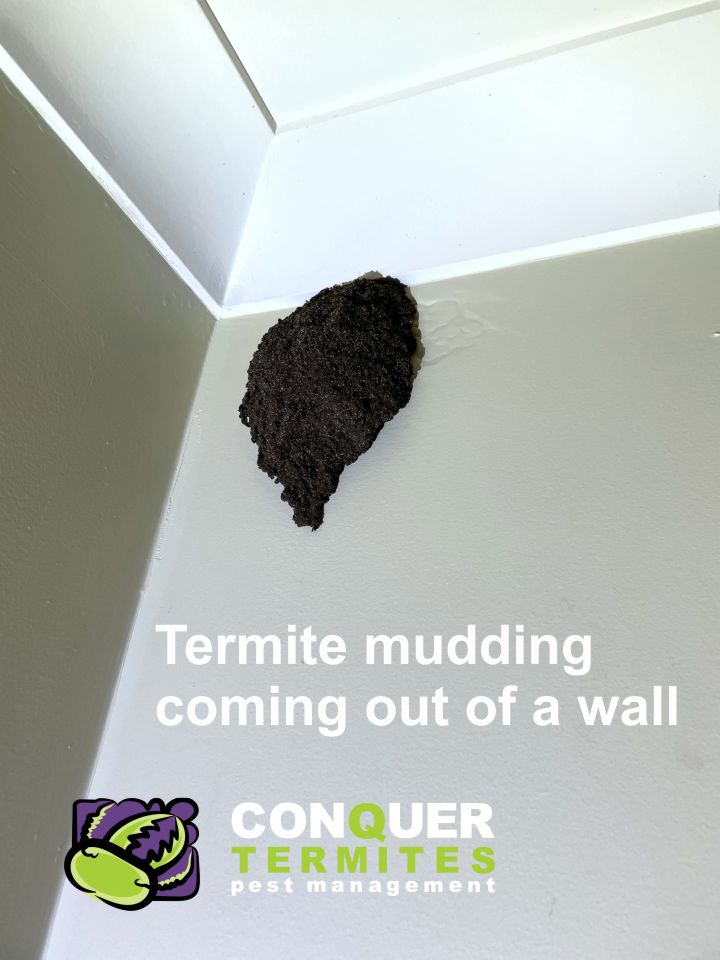
Mud tubes or termite mudding
Subterranean termites build mud tubes to protect themselves while travelling between their nest and food source. Mud tubes on walls, piers, slabs, or foundations are a strong indicator of active termites. -
Damaged or soft timber
Termites eat timber from the inside out, leaving a thin outer layer intact. Timber may feel soft, brittle, or hollow when pressed. -
Hollow sounds when tapped
Tapping timber that sounds hollow or papery can indicate internal termite damage. -
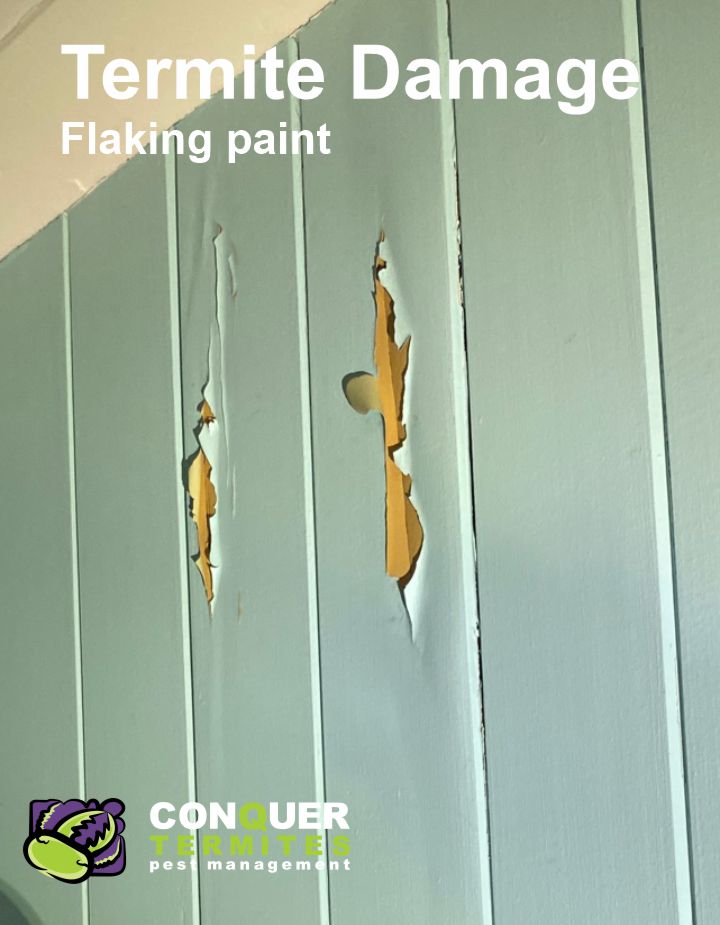
Cracked or bubbling paint
Moisture from termite activity can cause paint on timber surfaces to bubble, crack, or blister. -
Unusual termite noises
On quiet nights, termites may produce faint clicking, tapping, or crunching sounds from within walls or timber.
What are the most common signs of termites?
Mud Tubes (Termite Trails or Leads)
Termites build mud tubes as a protective shield from light, predators, and dry air while travelling from their colony to a food source. These tubes create the dark, humid environment termites need to survive.
Mud tubes are made from soil mixed with termite saliva, forming a hardened, plaster-like material. They are commonly found on:
-
External walls
-
Brickwork and slab edges
-
Piers and foundations
-
Inside wall cavities
If you see mud tubes anywhere on your home, it is a strong indication of active termites and should be inspected immediately by a licensed professional.
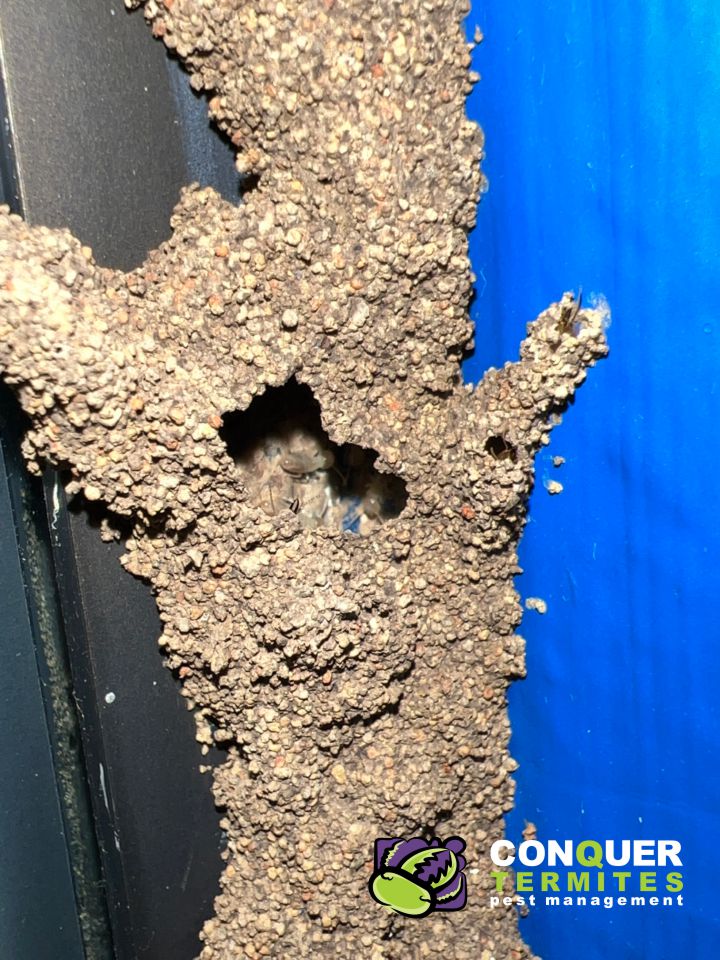
Mud Pack / Bivouac
When you see a mud pack protruding from a wall, it usually indicates significant termite activity behind the surface.
This may be:
-
A concealed nest, or
-
A bivouac, which is a temporary feeding or staging area (not a full nest).
Bivouacs are often used to feed juvenile worker termites or support fungal growth used as a protein source.
Either situation indicates termites are active inside the structure and requires urgent professional assessment.
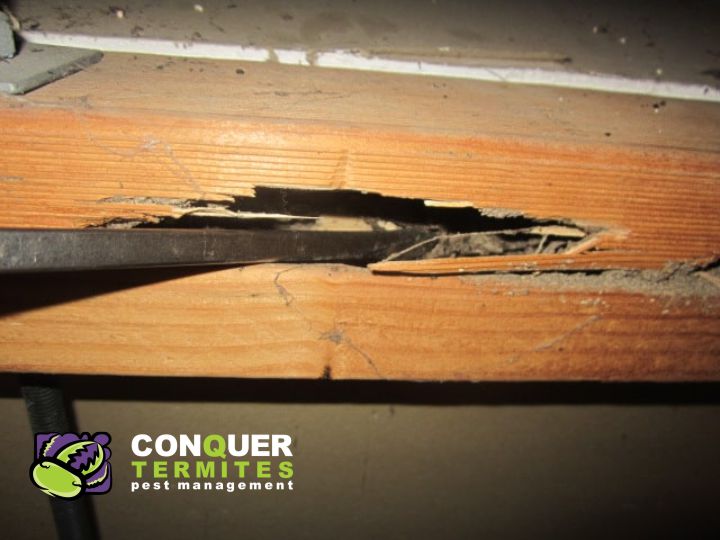
Hollow or soft timbers
Soft pine timber is highly desirable for termites and is often used for door and window frames, skirting boards, and other wood structures in the home. Termites will eat the timber from the inside out, leaving a thin layer between them and the outside world.
How can you tell? DIY Check
If you suspect termites, there are a few simple checks you can do — but remember, termites often cause damage long before visible signs appear.
Tap the area gently
Lightly tap skirting boards, door frames, window frames, or exposed timber. A hollow or papery sound may indicate termite damage.
Look for blistered or damaged timber
Timber that appears cracked, bubbling, or unusually thin may indicate internal feeding activity.
Inspect internally (only if necessary)
If confident, make a very small slit with a sharp knife in a suspicious area. Mud-like material, galleries (tunnels), or live termites are clear warning signs.
⚠️ If you open timber, seal the area with tape and contact a professional immediately to prevent termites from retreating deeper into the structure.
Termite Noise – What Sounds Do Termites Make?
Termites have unique ways of communicating with each other, including the use of sounds. When soldiers are alarmed, they will hit their heads against the wood, creating a knocking noise as a signal to evacuate.
On quiet nights, you may be able to hear the soft gnawing sounds made by worker termites as they scrape and eat the wood.
If you hear these sounds, it often indicates an established termite colony and should be inspected as soon as possible. Check the Termite Sound page
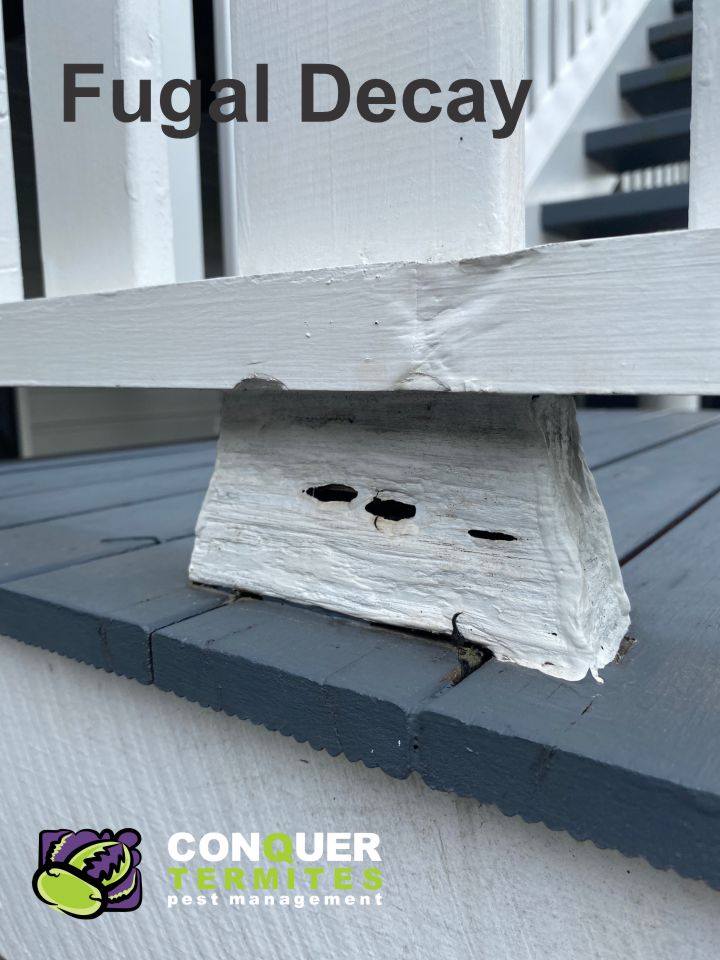
Termite Damage vs Fungal Rot – How to Tell the Difference
Termite damage and fungal rot are two separate issues that can affect the structure of the wood in a home.
Termite damage occurs when termites consume wood, breaking it down and weakening its structural integrity. This type of damage is often hidden and can go undetected for a long time, leading to significant harm to the structure of a building.
Fungal rot, on the other hand, occurs when certain types of fungi infect the wood, breaking down the cellulose and hemicellulose within it and causing it to become soft and crumbly. A musty odour and visible discolouration of the wood typically accompany this type of damage.
It’s important to differentiate between termite damage and fungal rot, as they require different types of treatment and repair. A professional inspection can help determine the cause of the damage and provide the necessary recommendations for addressing it.
Time to Get the Professionals In?
If you suspect termites — or simply want peace of mind — a professional inspection is essential.
A Conquer Termites Inspector is trained to identify active termites, concealed damage, and risk areas unique to Brisbane homes. We provide clear advice, practical recommendations, and proven treatment options designed to protect your property long-term.